

Ergonomics begins with foot health
45% of employees suffer from knee problems due to foot malalignment. And as many as 75% of employees suffer from back problems due to foot malalignment. (Source: IGP Magazine)
Back pain accounted for 14% of all sick days. (Source: AOK Health Atlas 2024)
The foot as the foundation of body statics
Why does ergonomics start with the foot?
Humans stand, walk, and work on their feet. They bear the entire body weight, stabilize every step, and influence the entire posture via muscles, ligaments, and joints. If the feet are subjected to incorrect strain, misalignments immediately affect the knees, hips, and back. The consequences:
- tension
- joint stress
- Poor posture and even deformities
- reduced performance
- faster fatigue
That's why ergonomics starts with the feet. Only when your stance is stable and your gait is natural can your posture remain ergonomically favorable.

Movement is a chain
Foot health as the basis for ergonomic movement
The foot is the foundation of the body. And every movement begins right here at the bottom. As soon as the foot moves forward in the stance phase, something crucial happens:
- It rolls from the outer heel across the middle to the inside—where the body's center of gravity is located.
- Stability emerges.
- Now comes the moment that is often overlooked: the foot buckles.
- Not just anywhere—specifically in the metatarsophalangeal joints.
- In 2 lines, starting at the little toe and ending at the big toe.
Foot health plays a central role in ergonomics because it influences stability and the natural chain of movement.
Bending your toes is the starting point for the entire upward movement.
When pushing off with the toes, the longitudinal arch of the foot tightens, causing the foot to briefly stiffen—like a natural lever. This ergonomic movement ensures that forces are not only absorbed but also transmitted in a targeted manner, continuing directly into the lower leg.
The shinbone rotates slightly inward, quite naturally, exactly as intended by anatomy. This supports foot health and allows the knee to work stably: it does not lock or give way, but is guided and controlled. The knee remains centered because the foot has done its job reliably, which maintains the ergonomics of the entire leg axis.
From there, the movement continues into the hips, which open forward as you step and absorb the force from the leg smoothly—not jerkily, but harmoniously and efficiently. This smooth chain of foot, knee, and hip promotes long-term foot health and contributes to better ergonomics for the entire body.
These natural movement principles can maintain foot health, relieve pressure on the joints, and strengthen the muscles.
Common complaints and their consequences
Possible consequences of poor foot health
-
Foot pain (heel, midfoot, toes)
-
Flat feet, splayfoot, clubfoot
-
Bunion
-
heel spur
-
Achilles tendon problems
-
Metatarsalgia
-
up to knee osteoarthritis
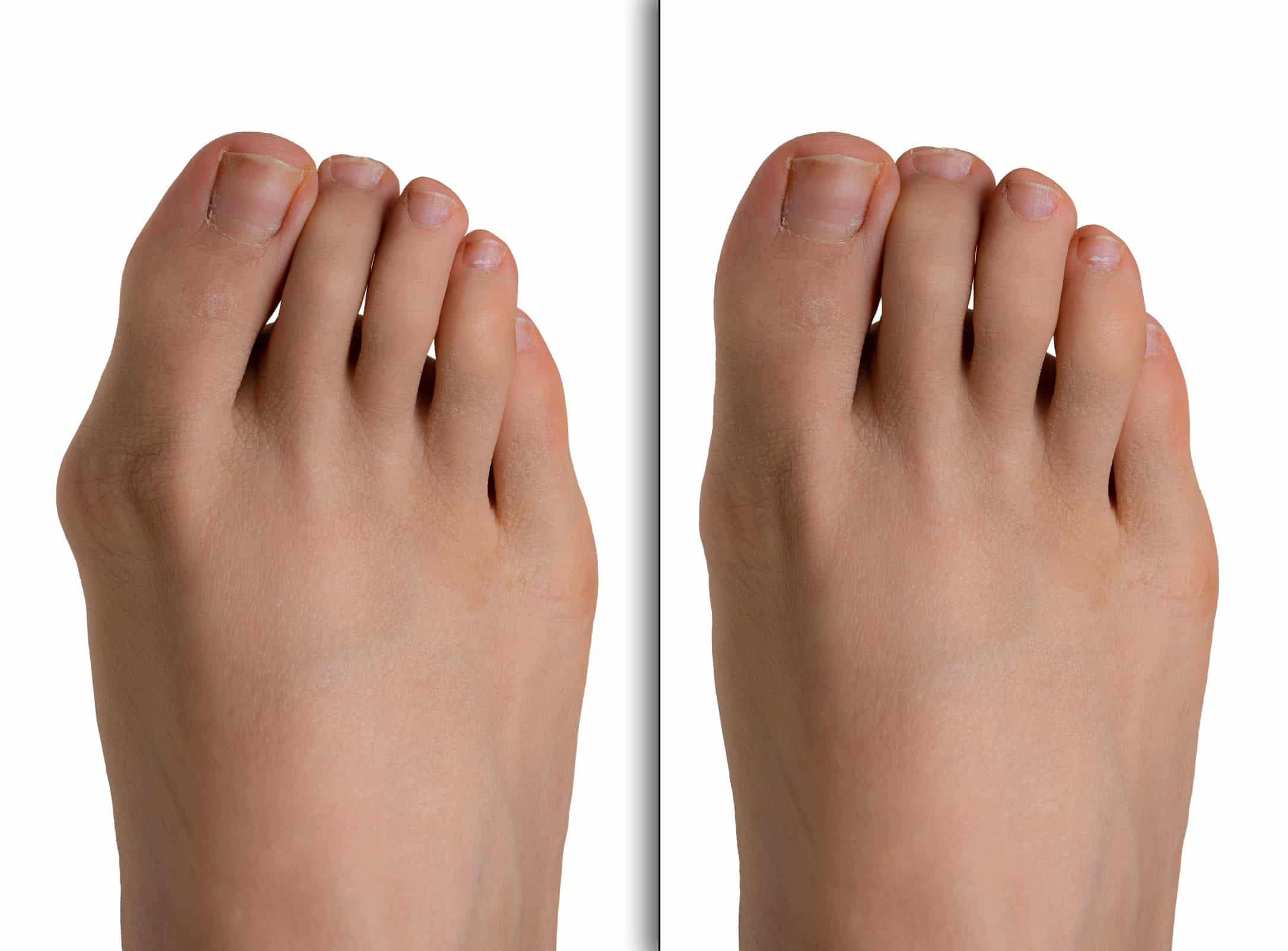
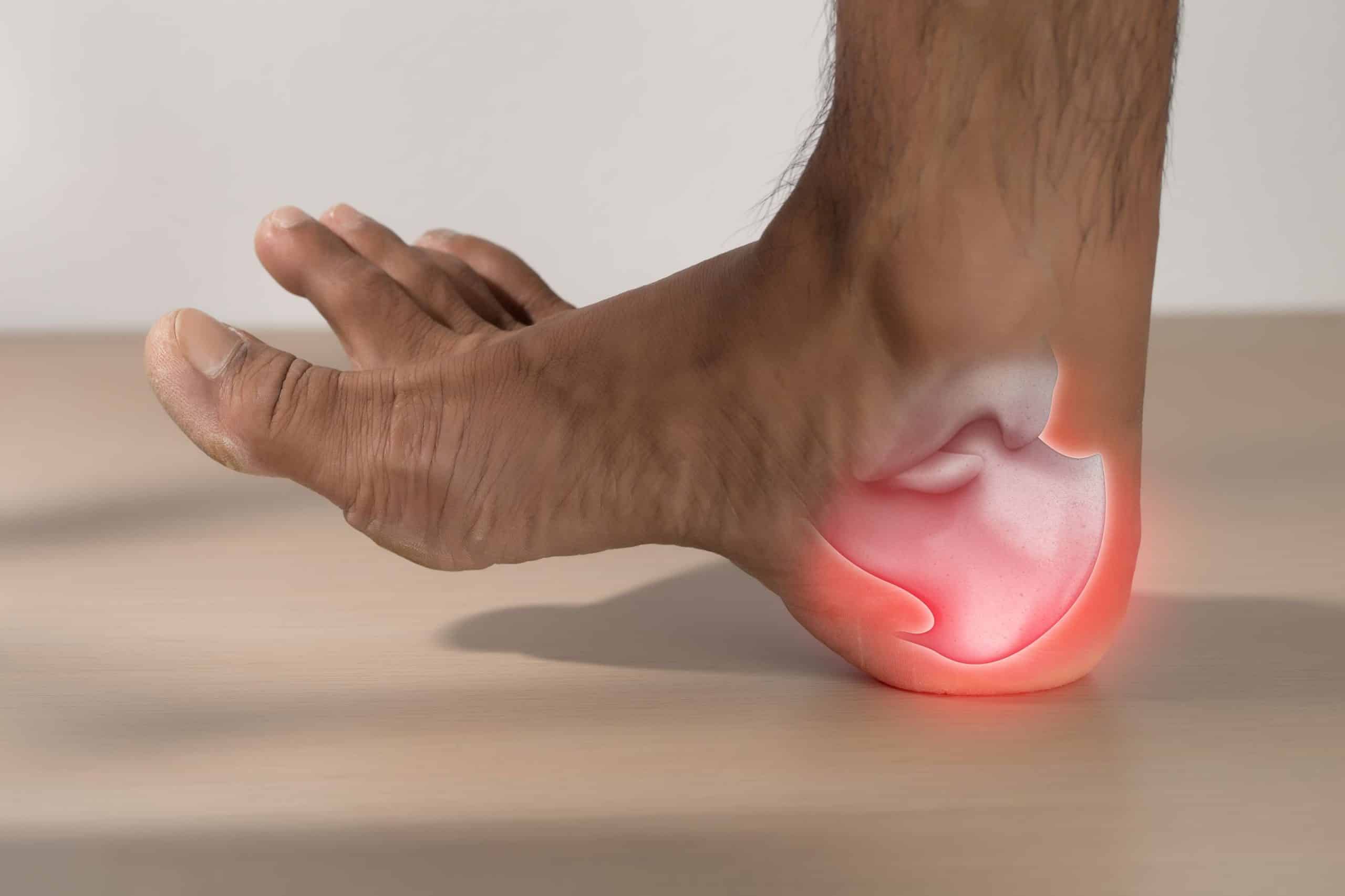
These complaints can affect posture and thus overall ergonomics.
Company health management
Why Safety Shoes Can Affect Productivity
Ergonomics plays a central role in modern working environments. Companies are increasingly recognizing that ergonomically designed workplaces not only support the health of employees, but can also increase productivity and satisfaction.
Foot health in particular has a greater impact on overall ergonomic strain than many people realize.
After all, the foot is the foundation of the body—and every step determines how forces, stresses, and movement patterns affect the knees, hips, back, and ultimately overall work performance.
Here you’ll learn why ergonomics starts with standing and walking, the crucial role foot health plays, and how ergonomic safety shoes can help reduce strain in your daily work routine and boost your performance.
Safety shoes are mandatory in many industries. However, conventional models are often heavy, rigid, or restrict natural movement. This can have negative consequences:

- unnatural posture
- increased muscle strain
- impaired foot function
- signs of fatigue
Ergonomics in the Workplace
What kinds of stress affect the body
Many occupations involve physical strain:
- prolonged standing and walking
- hard or uneven surfaces
- heavy lifting
- unilateral movements
- lack of exercise
- heavy-duty equipment
- Overloading of the joints
- Unnatural movement
- premature fatigue
- harmful compensatory movements
- increased risk of injury
These stresses accumulate throughout the day and have a long-term effect on foot health—pain, fatigue, or misalignments can result.
This is where well-designed safety shoes come into play: models that are ergonomically shaped and foot-friendly support the natural mobility of the foot, relieve pressure on joints and muscles, and promote healthy posture.
Good to know: Barefoot safety shoes combine certified protection with maximum freedom of movement, which activates the muscles and strengthens foot health in the long term.
Ergonomic safety shoes
How ergonomic safety shoes promote foot health
All Baak safety shoes come with the fully integrated, patented Baak Go&Relax system as standard. These ergonomic safety shoes actively promote foot health and have been proven to improve posture.
Features of ergonomic safety shoes
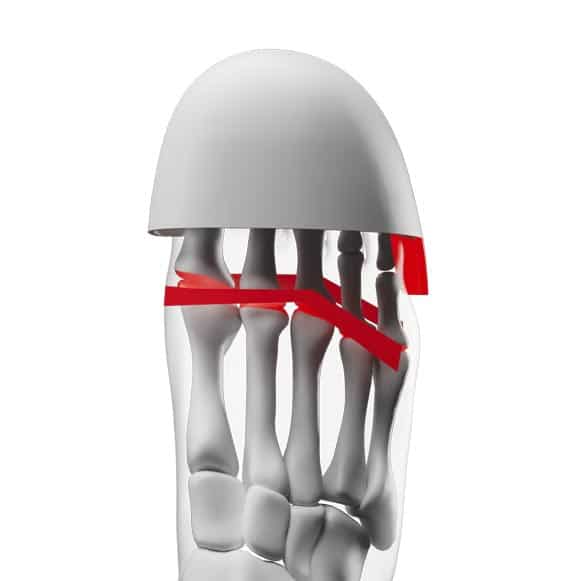
asymmetrical toe cap
Allows all five toes to bend naturally at the metatarsophalangeal joints, preventing improper weight distribution.
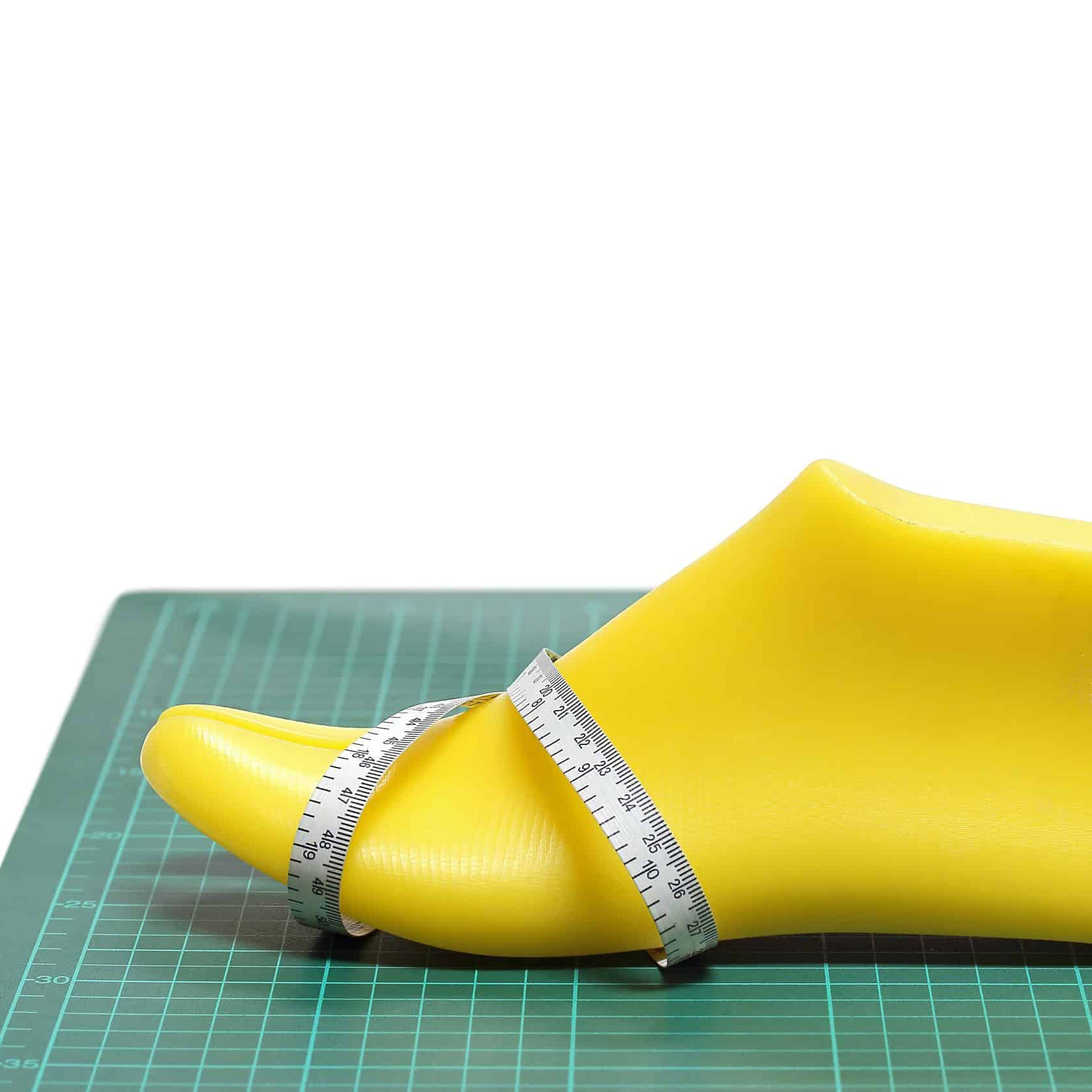
anatomical fit
Prevents pressure points, improves safety, and enhances comfort.
Good to know: Women’s feet have a different anatomical structure than men’s feet. That’s why it’s important for women to wear safety shoes based on specially designed women’s lasts. Learn more here.

Certification for orthopedic insoles (DGUV 112-191)
Enables the provision of orthopedic insoles and custom-made orthotics.
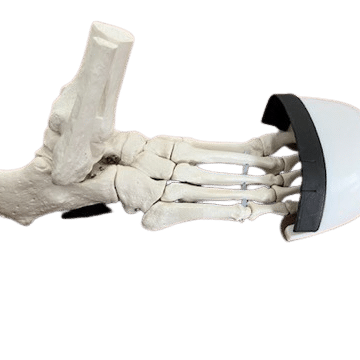
true multi-width system
Offers customizable widths and toe caps of various widths.
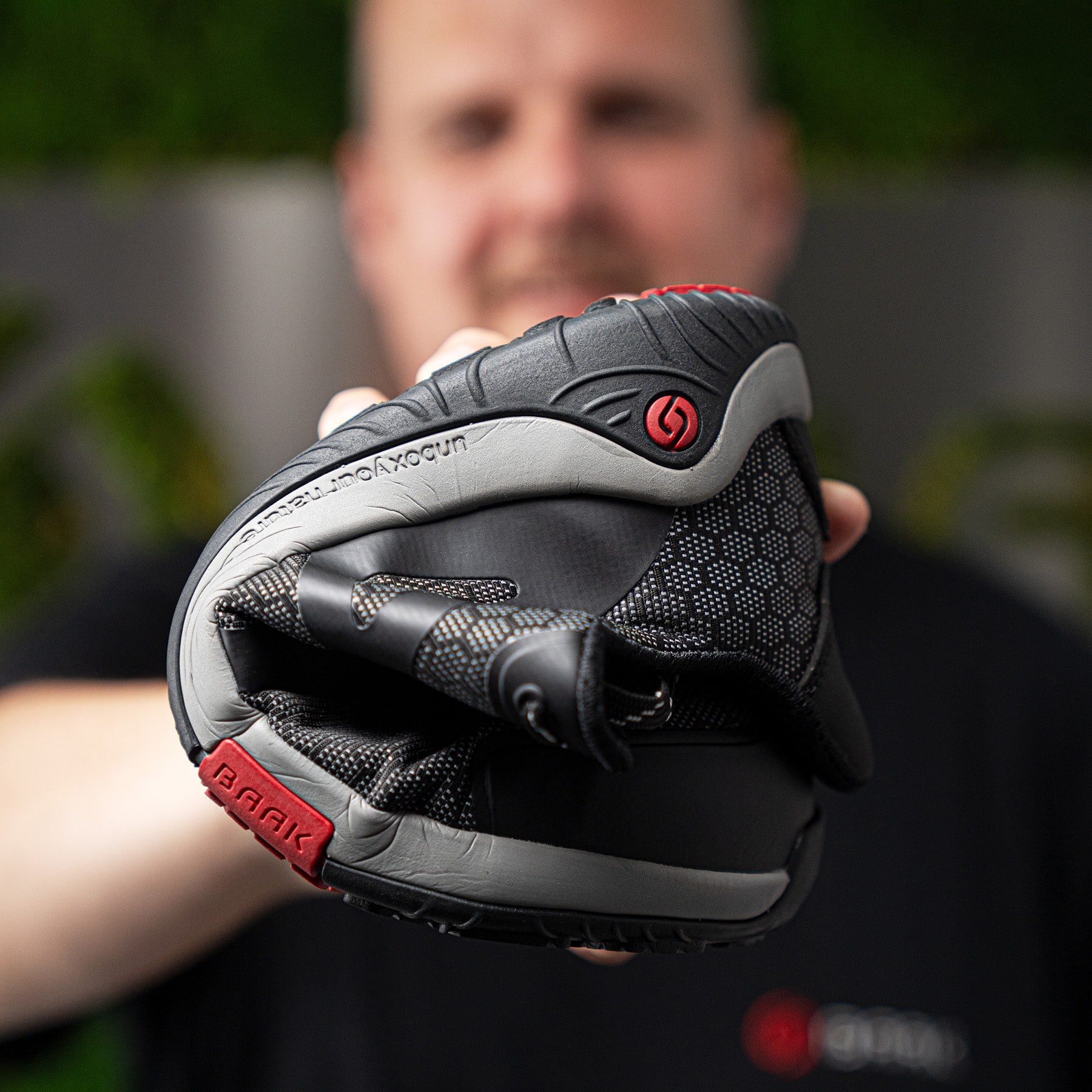
flexible sole
Supports natural foot movement with every step.
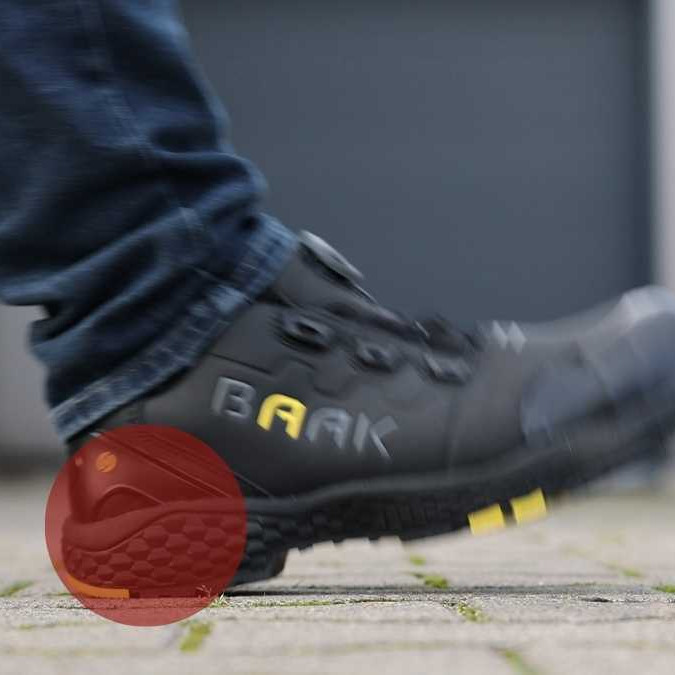
damping properties
Reduces impact on the joints and spine.
Foot health – an underestimated economic factor
How companies benefit from their employees' foot health
Companies that invest in their employees' foot health by providing ergonomic safety shoes can enjoy the following benefits:
- fewer sick days
- higher performance
- lower accident risks
- greater employee satisfaction
- long-term cost savings
- better quality of work and life
Ergonomic safety shoes are not only a health measure, but also a business factor.
Conclusion
Ergonomics starts with the foot
Ergonomics is a holistic concept that only works fully when foot health is taken into account. This is because the foot forms the basis of posture and every ergonomic movement. Companies that use ergonomic safety shoes, design workplaces sensibly, and promote prevention create healthier, more productive, and happier teams in the long term.
Frequently asked questions
Frequently Asked Questions
Ergonomics describes the scientific examination of the relationship between people and their working conditions. The goal is to design workplaces in such a way that they support people—not the other way around.
These include:
- body-appropriate movement sequences
- custom-fit work equipment
- preventive stress reduction
- Health-promoting design of processes
- minimized accident risks
In operational practice, this means that workstations, tools, machines, pathways, working hours, and personal protective equipment must be designed in such a way that they promote natural movement, reduce strain, and support long-term health.
While the back is traditionally the focus of much discussion in this context, another area is increasingly coming into the spotlight: The feet and their health.
Foot health describes the functional condition of the feet, including:
- musculature
- ribbons
- tendons
- joints
- movement patterns
- Stability and coordination
Healthy feet have natural mobility, stable foot muscles, and good blood circulation.
Foot health means that your feet are strong, flexible, and pain-free.
Good ergonomics not only relieve strain on the body during work, but also improve overall quality of life. People who can move without pain tire less quickly, sleep better, are more balanced, and have more energy for everyday life and leisure activities.
Foot health plays a special role in this because it:
- Improved physical stability
- can contribute to pain reduction and prevention
- promotes natural movement
- Protects joints and strengthens muscles
All of this contributes to better concentration at work. When ergonomic conditions in the workplace are right, not only employees benefit, but companies as well.
Legal notice: Two licensed stock images were used in this article. Tania Kitura I 2560959885. Emily Frost I 2433316279.