

How to Determine the Correct Shoe Size and Fit for Safety Shoes
Find the right size for your safety shoes in just a few steps
The right fit is key to comfort, safety, and long-term foot health. With this guide, you can quickly find the size and width that fits your foot—whether you're looking for a classic safety shoe or a barefoot safety shoe.
How to Measure Your Shoe Size Correctly
Here's how to easily determine your shoe size at home:
1. Determine your foot length
- Place your foot on a sheet of paper (preferably in the evening).
- Trace the outlines.
- Measure the length from your heel to your longest toe.
- Add about 10–15 mm of ease.
- Compare your result with our size chart.
2. Determine your foot width
Pay attention to how the ball of your foot makes contact with the ground:
- Narrow feet:a snug fit is recommended
- Normal foot:Standard fit
- Wide feet:more space needed in the toe area
Tips for measuring your feet
- Measure in the evening: Feet tend to be slightly larger in the evening, making this the ideal time to determine your size.
- Measure both feet: The feet are often different sizes.
- Take insoles into account: These can influence the fit.
If your measurement falls between two sizes, choose the larger size if you have wider feet.
Size chart
Now use the measurements of your foot length and width to determine the right shoe size.
Size Chart for Safety Shoes:
All dimensions in mm
| Shoe size | Length | Width 09 | Width 10 | Width 11 | Width 12 | Width 13 |
|---|---|---|---|---|---|---|
| 35 | 224 | 210,5 | 216,5 | 222,5 | 228,5 | 234,5 |
| 36 | 230 | 215 | 221 | 227 | 233 | 239 |
| 37 | 237 | 219,5 | 225,5 | 231,5 | 237,5 | 243,5 |
| 38 | 244 | 224 | 230 | 236 | 242 | 248 |
| 39 | 250 | 228,5 | 234,5 | 240,5 | 246,5 | 252,5 |
| 40 | 257 | 233 | 239 | 245 | 251 | 257 |
| 41 | 264 | 237,5 | 243,5 | 249,5 | 255,5 | 261,5 |
| 42 | 270 | 242 | 248 | 254 | 260 | 266 |
| 43 | 277 | 246,5 | 252,5 | 258,5 | 264,5 | 270,5 |
| 44 | 284 | 251 | 257 | 263 | 269 | 275 |
| 45 | 290 | 255,5 | 261,5 | 267,5 | 273,5 | 279,5 |
| 46 | 297 | 260 | 266 | 272 | 278 | 284 |
| 47 | 303 | 264,5 | 270,5 | 276,5 | 282,5 | 288,5 |
| 48 | 310 | 269 | 275 | 281 | 287 | 293 |
| 49 | 317 | 273,5 | 279,5 | 285,5 | 291,5 | 297,5 |
| 50 | 323 | 278 | 284 | 290 | 296 | 302 |
Size Chart for Barefoot Safety Shoes:
All dimensions in mm
| Shoe size | Instep length | Shoe width | Recommended for foot length |
|---|---|---|---|
| 36 | 240 | 92 | 223-230 |
| 37 | 247 | 94 | 231-237 |
| 38 | 253 | 96 | 238-243 |
| 39 | 260 | 98 | 244-250 |
| 40 | 267 | 100 | 251-257 |
| 41 | 273 | 102 | 258-263 |
| 42 | 280 | 104 | 264-270 |
| 43 | 287 | 106 | 271-277 |
| 44 | 293 | 108 | 278-283 |
| 45 | 300 | 110 | 284-290 |
| 46 | 307 | 112 | 291-297 |
| 47 | 313 | 114 | 298-303 |
| 48 | 320 | 116 | 304-310 |
Baak Barefoot Collection
Special Features of Barefoot Safety Shoes
Barefoot safety shoes are designed to better conform to the natural shape of the foot. They provide more room for your toes and allow for more even pressure distribution—which has a positive effect on your comfort and foot health.
Our barefoot safety shoes combine the feeling of walking barefoot with certified protection. The flexible sole and special fit promote a natural rolling motion while strengthening the muscles. At the same time, they offer certified protection against falling objects or sharp materials.
Good to know:
Due to their special fit, there is a separate size chart for Baak Barefoot models.
Click on the video image to go to the measuring instructions for barefoot shoes on YouTube.
Key factors for the right fit
Common Mistakes When Choosing Shoes
These mistakes often lead to painful pressure points or premature fatigue:
- Chosen shoes that are too small or too narrow
- Deposits not included
- Insufficient freedom of movement has not been taken into account
- Tried on or measured at the wrong time of day
- The difference between everyday shoes and safety shoes is often underestimated
Long-term consequences of an ill-fitting garment
An ill-fitting pair of shoes can have far-reaching consequences. This is especially true for safety shoes, which are often worn for many hours at a time; the effects can be serious.
- Foot pain: Pressure points, blisters and pain in the midfoot or on the toes are typical symptoms.
- Malpositions: In the long term, an incorrect fit can lead to deformities such as hallux valgus or flat feet.
- Back pain: Poor foot posture affects the entire body statics.
- Reduced concentration: Pain and discomfort impair performance and attention.
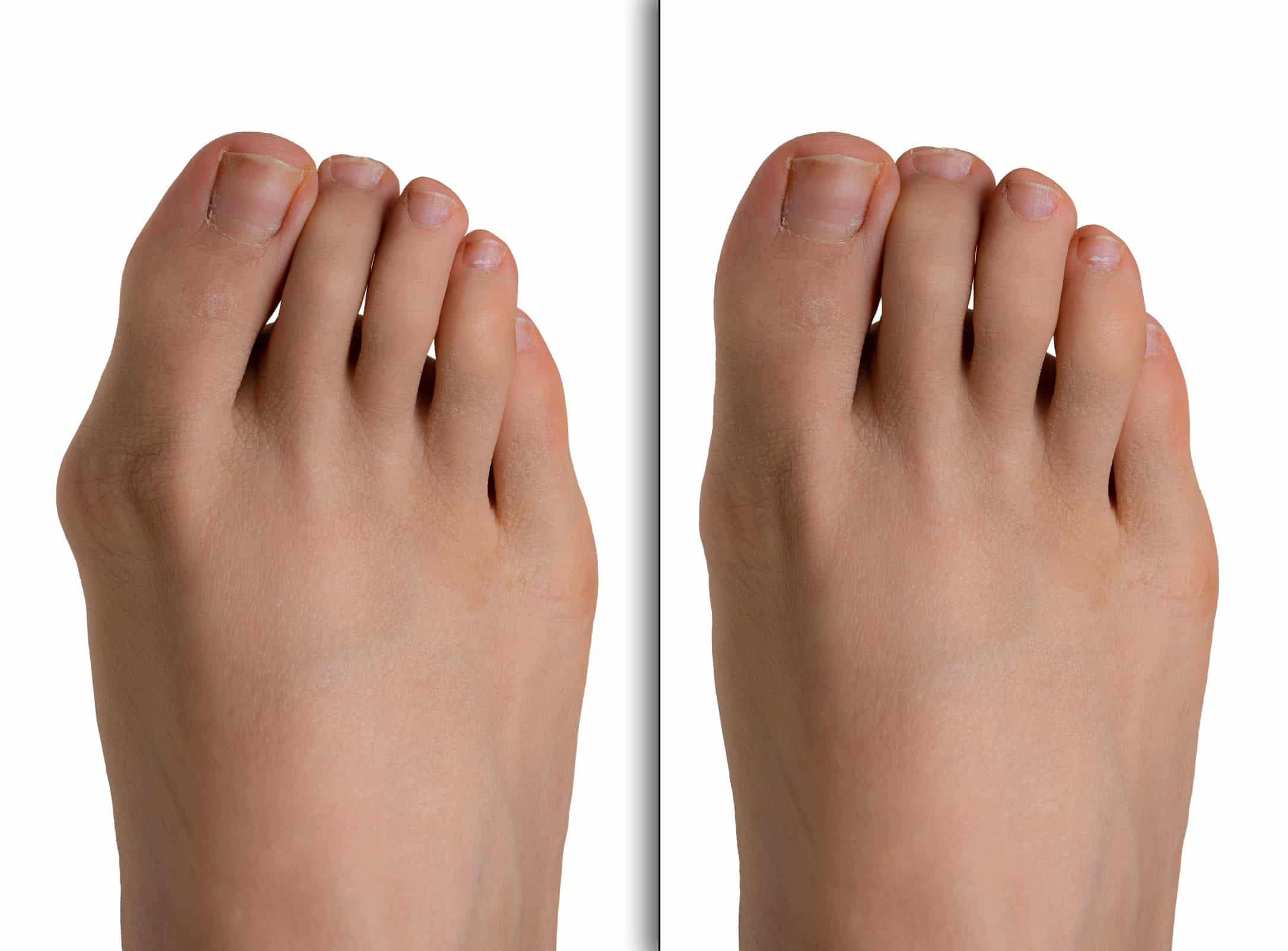
What are the differences in fit?
Why the right fit is so important
Safety shoes are with you throughout long workdays. If they don’t fit properly, it affects your entire body—from your feet to your back. A good fit provides stability, reduces the feeling of heavy legs, and supports a comfortable, natural stride.
Learn more about the connection between your feet and potential back pain in our blog post“Ergonomics Starts with the Feet.”
Why standard sizes often don't fit
Many people simply choose their usual shoe size when buying safety shoes—but that’s often not enough. Every foot is unique, and even within the same size, shape and width can vary significantly. In addition, feet change throughout the day and as we age.
Every manufacturer uses a different last on which the shoes are made. As a result, shoes fit differently depending on the manufacturer and brand.
A professional foot measurement, for example at a specialty store, can help determine the best fit.
5 Practical Tips for Trying On Clothes
These simple guidelines will help you find the right choice faster:
- Are you between two sizes? Go with the larger size
- Do you spend a lot of time on your feet at work? Plan for a little extra leeway
- Do you prefer natural freedom of movement? Barefoot safety shoes are ideal
- Do you have wide feet? Choose a model with a wide-fit system
- Do you wear orthopedic insoles? Keep this in mind when choosing a size.
Baak Safety Shoes
Find the right safety shoes
Discover styles that are perfectly tailored to different foot shapes:
Frequently asked questions
Frequently Asked Questions
Use your measured foot length as a guide, adding 10 to 15 mm of extra space.
The fit of shoes can vary depending on the model and brand. Pay special attention to the width of your feet.
Leaving about a thumb's width of space in front of your longest toe ensures enough room to move your toes inside the shoe.
Photo credit: Baak GmbH & Co. KG. This post also features a licensed stock image: Bundit Jonwises I 242126782