

Sweaty feet in safety shoes
When temperatures rise, every step in work boots becomes noticeable.
Sweaty feet in safety boots are an unpleasant reality for many workers, especially during the warm summer months.
Are you aware that sweaty feet in safety shoes actually increase the risk of accidents?
For companies, this means that foot comfort is not just a matter of comfort, but directly affects the safety, productivity, and absenteeism of their employees.
We explain why feet get sweaty, what affects foot comfort in the summer, and how modern materials and smart routines can help keep your feet dry and healthy.
Seasonal variations
Why sweaty feet are more common in safety shoes during the summer
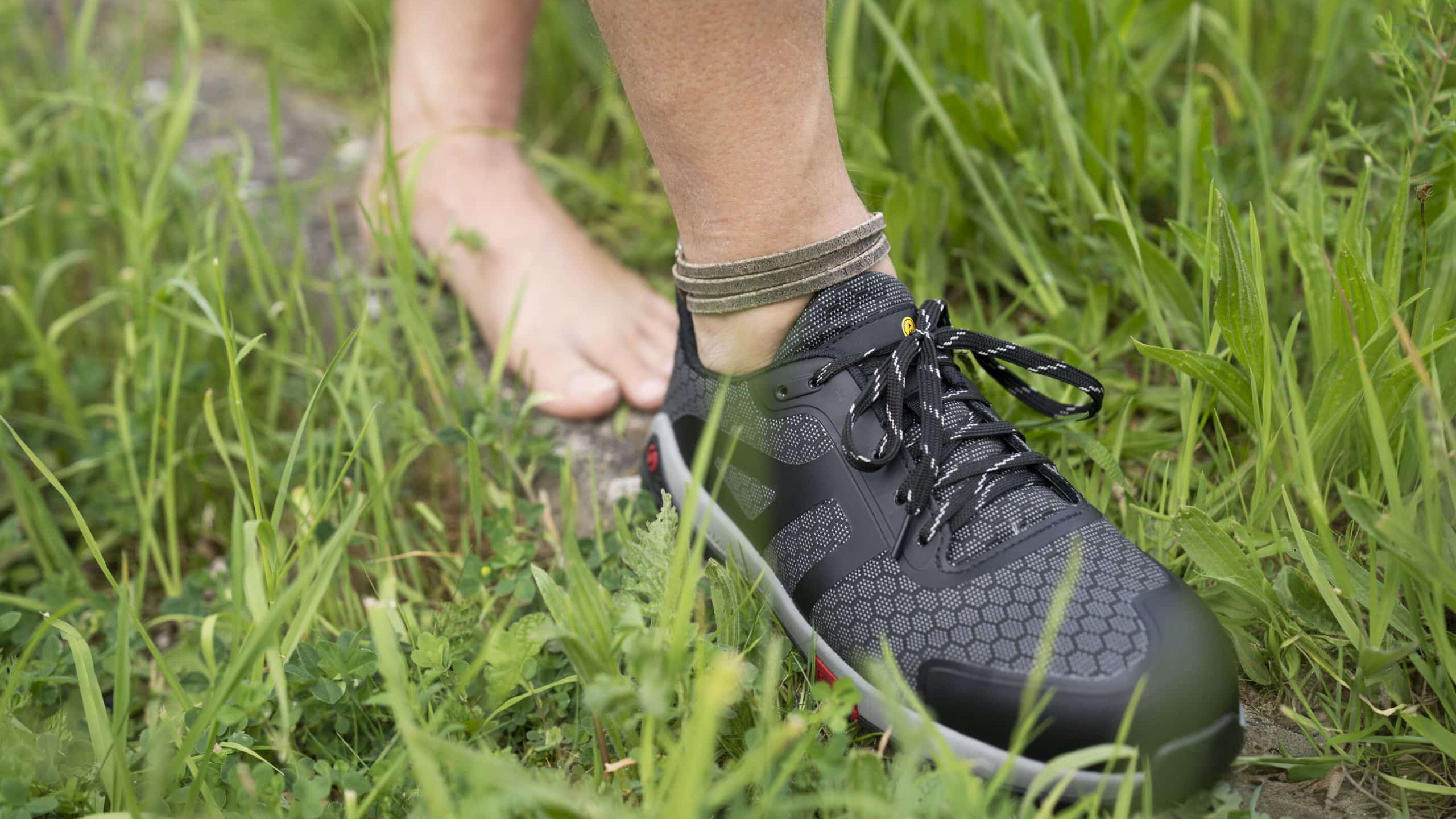
Safety shoes are designed to be closed-toe, and that’s exactly what becomes a problem in the summer. Heat, physical activity, and the heavy strain on the foot muscles all increase sweat production.
This quickly leads to:
- moist skin
- increased friction
- Bubble formation
- unpleasant odor
- more rapid onset of fatigue
A healthy foot environment in safety shoes is therefore more than just a matter of comfort—it is a genuine preventive measure.
Different protection classes
S1 vs. S3: Differences You Can Feel
S1 Safety Shoes
- generally more open design
- often textile, breathable materials
- better moisture wicking
Typical applications:
Warehousing & logistics, indoor assembly & manufacturing, workshops without wet areas
S3 Safety Shoes
- more durable, denser upper materials
- Enclosed structures for greater protection
- therefore less breathable
Typical applications:
Construction sites, trades, manufacturing & industry, damp indoor areas, outdoor use
Modern manufacturers of safety shoes are increasingly using lightweight textile components to optimally combine safety and breathability—which has a positive effect on the comfort of your feet in safety shoes.
Material as a contributing factor
Materials that reduce sweaty feet: What to look for in safety shoes
One of the major factors affecting foot comfort in safety shoes is the material. The more breathable the material, the drier the foot stays.
Shoe weight
Lightweight shoes require less energy to wear and therefore generate less heat.
Composite toe caps and textile mid-layers reduce weight and keep feet fresher for longer. Safety shoes weighing less than 500 g are considered particularly lightweight.
Material
The upper, made of lightweight microfiber and performance fabric, wicks moisture away more quickly. The shoe stays cooler. The lining, made of performance fibers with high moisture vapor permeability, prevents moisture from building up inside the shoe.
Passage inhibition
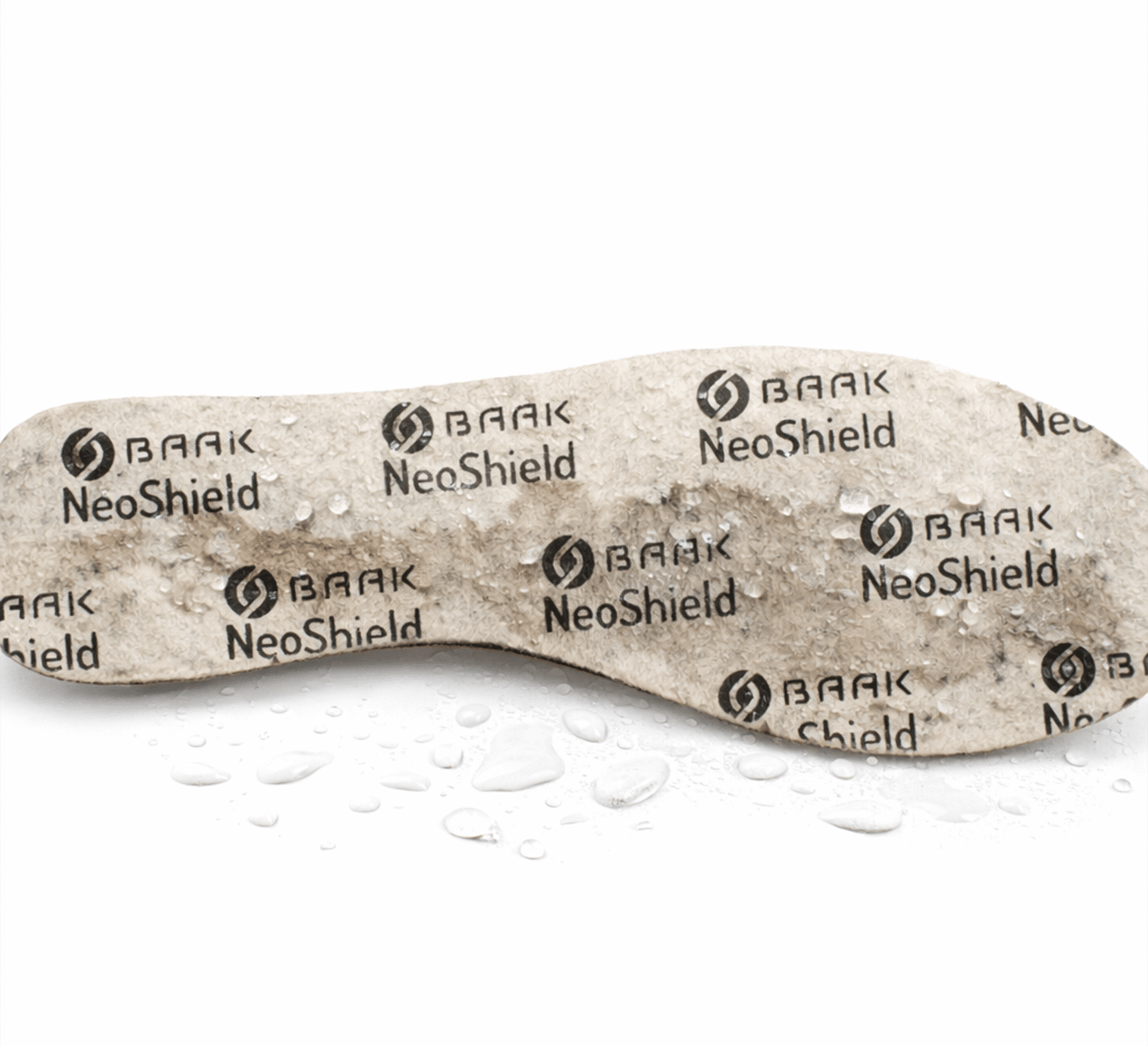
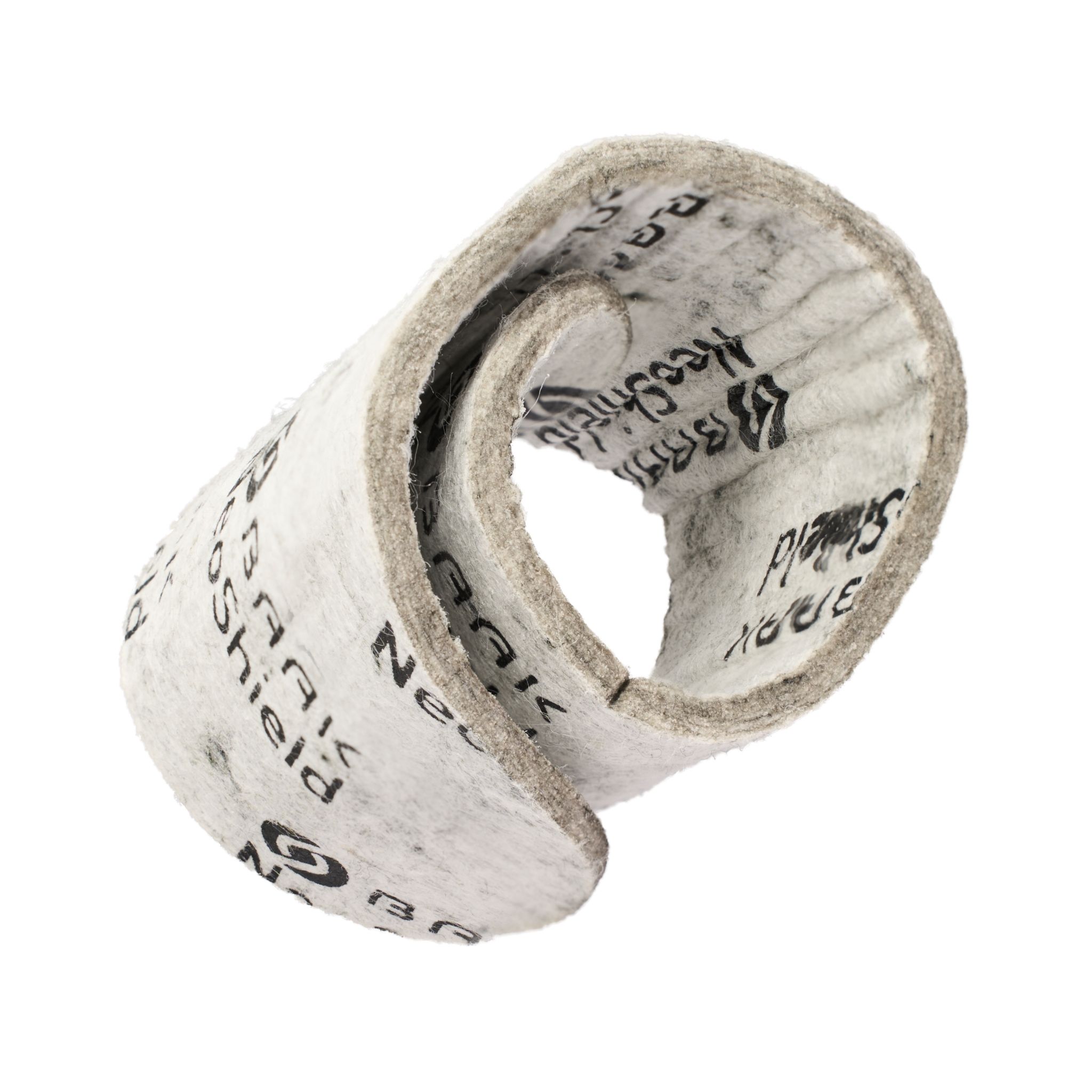
Modern textile insoles, such as those used by Baak, can absorb moisture and regulate temperature more effectively. They are also generally lighter and more flexible—a real advantage for those with sweaty feet.
Good to know: Baak NeoShield is made from 100% recycled fabric. The puncture-resistant layer absorbs up to 150 ml of liquid and, weighing only about 40 g, is almost half as light as a steel puncture-resistant layer. Discover safety shoes featuring Baak NeoShield here.
Shoe inserts: an underrated factor
How Insoles Affect Foot Comfort
Insoles play a bigger role in sweaty feet than many people realize.
The key factor is the material composition:
Open-cell foams = better air circulation, cooler feet
Closed-cell foams = less breathability, warmer foot environment
Good insoles also support the natural rolling motion of the foot. Less fatigue automatically means less sweating—so it all goes hand in hand.
Ergonomic safety shoes
Fit and Width: Why They Affect Sweaty Feet and Foot Comfort
Shoes that are too tight restrict air circulation and increase sweating.
A shoe that is too loose causes the foot to slip, which leads to friction, heat, and instability.
This can even lead to trips or twists.
Systems like Baak's multi-width system ensure that every foot shape has the space it needs, which is especially important for wide feet or swollen feet in the summer.
Women also benefit from models that are crafted using special women's lasts and therefore provide a better anatomical fit.
Properly fitting safety shoes enhance comfort and reduce the risk of accidents. They therefore play an important role in workplace health management.
Checklist for download
7 Practical Tips for Preventing Sweaty Feet and Odor in Safety Shoes

Conclusion
The right foot environment promotes health and safety
It’s easy to maintain a healthy foot environment—even in the summer.
With breathable materials, textile puncture-resistant insoles, functional socks, and proper foot care, you can significantly improve your foot environment. A healthy foot environment means:
✔ Less sweat
✔ Less friction
✔ Lower risk of blisters
✔ Less fatigue
✔ Better footing
✔ Reduced risk of accidents
A comfortable foot environment is therefore the result of the interplay between material, fit, and habits. By focusing on these factors, you not only ensure dry feet but also greater safety and more energy in your daily life.
Frequently asked questions
Frequently Asked Questions
The most effective approach is a combination of breathable safety shoes, performance socks, and regular breaks to change shoes. Shoes should be allowed to dry daily, insoles should be aired out, and feet should be well cared for. This helps keep the feet dry and comfortable at all times.
Functional socks made of synthetic fibers or merino wool are the best choice. They wick moisture away from the foot and dry faster than cotton, which traps sweat and makes the foot environment less comfortable.
Ideally, safety shoes should be changed daily so that each pair has at least 24 hours to dry. Rotating between two pairs on a regular basis ensures a much better foot environment and effectively reduces moisture and odor buildup over time. How often you buy a new pair of safety shoes depends on the wear and tear, condition, and quality of your shoes.
Yes, constantly damp feet can lead to skin problems such as athlete's foot, inflammation, or softened skin. It also increases the risk of pressure sores and infections. A balanced foot environment is therefore important for long-term foot health.
Feet sweat more in safety shoes because the closed design traps heat and prevents moisture from escaping. Combined with movement and physical exertion, this quickly creates a warm, damp environment for the feet.
The safety rating also plays a role. The higher the protection level, the lower the breathability.
Safety shoes should ideally be allowed to dry for 24 hours before being worn again. This allows any trapped moisture to escape completely, keeping your feet dry and comfortable.
Long toenails can cause pressure points and irritate the skin inside the shoe. They also tend to trap dirt and bacteria, especially in a damp environment. This increases the risk of infections, unpleasant odors, and ingrown toenails. Keeping your toenails trimmed regularly therefore actively contributes to foot hygiene and comfort.
Photo credit: Baak GmbH & Co. KG. This article also features a licensed stock image. Vladimir Gjorgiev I 2676072103